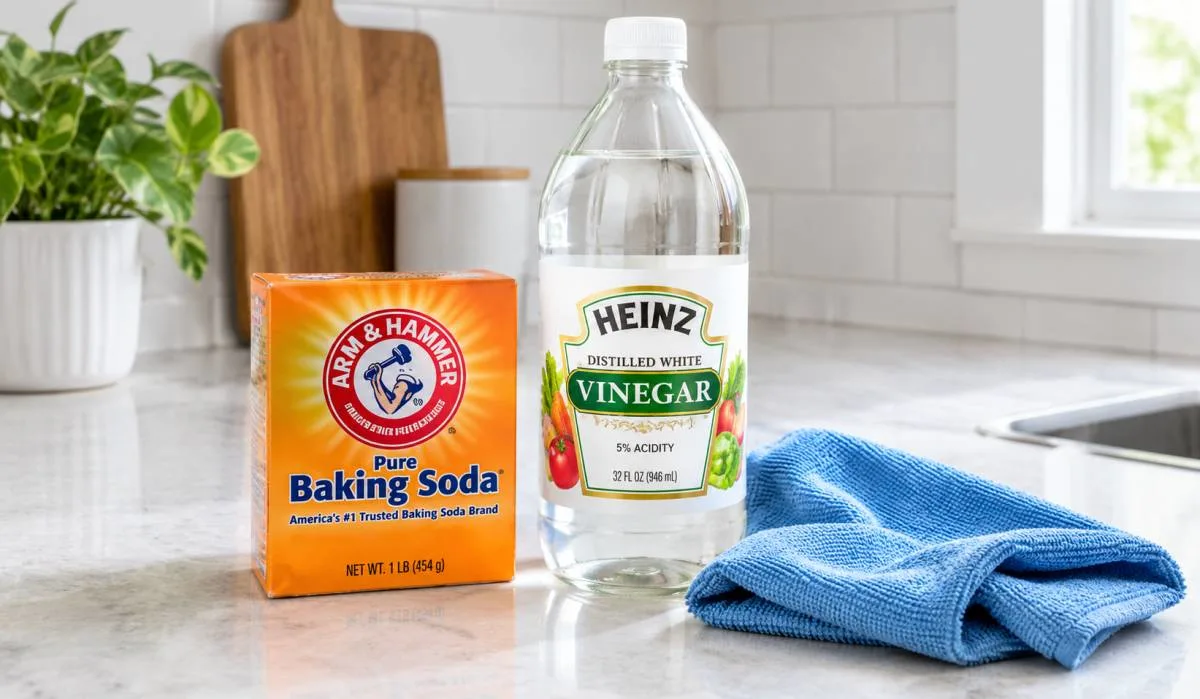
There are some simple household items that can serve more than one function. Baking soda and vinegar are two household items that can be used for a few common cleaning problems, and can eliminate the need to purchase other products.
These inexpensive ingredients can help chores like freshening up a dishwasher, getting rid of stains on clothes, cleaning grills, mugs, shower curtains and surfaces in the kitchen. If you have a hectic home, you'll want to know these household essentials cleaning hacks; many of these require only a couple of minutes to prepare. Using basic food staples in the right way can be effective in helping to maintain a cleaner home, plus they will save time and money.
Keep your dishwasher clean and efficient
If you don't use your dishwasher every day, it can begin to develop a little musty smell. To keep it fresh while you're not using it, simply pour a handful of baking soda across the bottom of your appliance. Bicarbonate of soda acts as a soft, odour-neutralising powder that absorbs odours and moisture without harming any of your machine's parts.
For optimum results, use it frequently, and when you use it in combination with an occasional vinegar rinse, you can effectively prevent the buildup of residue and lime scale, leaving your kitchen smelling fresh and your appliance functioning smoothly.
Read More: Latest Mortgage and Interest Rate News Today
Gently clean wallpaper
Keep your wallpaper's appearance pristine by protecting it from oily finger marks and unsightly smudges. For washable wallpaper, you can combine equal parts baking soda and water, then apply a thick paste to any dirt and other stains using a soft sponge or cloth.
If you notice that the color starts to fade, it indicates that it's time for a fresh coat of paint. Always test on an inconspicuous area first to ensure you check for any damage to the print. This abrasion method proves to be safe for the paint or finish and effectively tackles stubborn marks, making it ideal for a quick and efficient fix.
Get the grill like new

To help lift grease or grime from oven racks or barbecue grills, you should combine 2 tablespoons of bicarbonate of soda in 1.15 litres of warm water. Then, using a wire brush or scourer, you should scrub the metal bars. For particularly difficult areas, sprinkle bicarbonate of soda directly on a damp sponge and target the problem area effectively.
Bicarbonate of soda is completely safe to use on grills and ovens unlike harsh caustic oven cleaners and it won't scratch your hands or the surface at all.
Freshen up your pet
Skip the chemicals and opt for this all-natural, homemade dry dog shampoo. Massage it into your dog's coat, and then brush it out carefully.
This dry dog shampoo effectively coats the fur with a combination of ingredients that absorb excess oils, remove unwanted smells, and provide your dog with a fresh scent when it's not time for a bath. It's particularly useful for dogs that dislike baths or for winter bathing, when wet washing can be a bit tricky and cumbersome. Avoid getting it in the eyes and nose for safety.
Pre-treat yellow marks on white clothes
To clean stains around the collars and armpits of shirts, you should combine baking soda and vinegar into a thick paste and then apply the mixture to the stain before you launder the items.
To remove stubborn yellow sweat stains, vinegar works even better soak the cloth in vinegar, allow it to soak for 15 minutes, and then wash it as you normally would. Pumping Pals These pantry staples help wash away body oils and deodorant build-up, particularly on white clothes. Using these ingredients can save you money compared to purchasing commercial stain fighters.
Scrub the shower curtain
Dissolve a cup of bicarbonate of soda in two cups of water, then spread the mixture generously on the curtain with a sponge or soft cloth. Lightly rub the fabric to loosen the grime, rinse it with warm water or wash it in the machine. You can also apply this paste to the shower without rinsing after application, which becomes especially effective if you're unable to scrub the curtain thoroughly.
Easy to use, this natural solution effectively clears out dark spots and soap scum without requiring you to apply a toxic chemical to your surface. For stubborn build-up, leave the paste on for 5 minutes and then scrub, rinse, and repeat if necessary.
Revitalise your favourite mugs and teapots

To clean the interior of your stained teapot without scratching it, you should rub the inside with a baking soda paste and a splash of water using a soft cloth or sponge.
Clean out your iron
To clean a steam iron and make it last longer, you should allow the iron to steam until the solution runs out of the tank, which releases the mineral build-up as it steams. Then, empty and rinse the tank with plain water, refilling it before shaking the iron gently to remove any lingering build-up inside.
Get rid of smells
When your hands, chopping boards, or work-tops smell after you prepare fish, garlic, or onions… Neutralise that smell by rinsing them down with vinegar, which will remove odours more effectively than using just soap and water alone. Once you have rinsed away the smell, wash them with warm water and your regular soap to eliminate the lingering vinegar scent. A quick tip when you've just made delicious garlic bread!
FAQs
1. Can baking soda and vinegar be used for household cleaning?
Yes. Baking soda can help with odours, stains, and light scrubbing, while vinegar can help remove certain residues and odours. They are often useful as separate cleaning ingredients.
2. Can baking soda remove stains from clothes?
Baking soda can help loosen some stains and body-oil buildup. For delicate or coloured fabrics, test the method on a hidden area first and follow the garment's care instructions.
3. Is baking soda safe for cleaning a dishwasher?
A small amount of baking soda can help neutralise odours. However, always follow the dishwasher manufacturer's cleaning and maintenance instructions.
4. Can vinegar remove strong food smells from kitchen surfaces?
Vinegar can help neutralise some strong food odours, including smells left by garlic, onions, and fish. Clean the surface with normal soap and water afterward.
5. Are these household cleaning methods suitable for every surface?
No. Some materials can be damaged by acidic cleaners, abrasives, or moisture. Always check the manufacturer's instructions and test a small hidden area before cleaning the full surface.